When planning a camping trip, the first step is to understand your specific camping needs. This involves considering factors such as the number of people joining you, the length of your trip, and the kinds of activities you’ll be doing. Think about whether you’ll be hiking to a site or driving your vehicle right up to your tent. Each scenario influences the type of tent you should choose.
The size of the tent is a crucial factor. If you’re camping with a group, make sure to select a tent that can comfortably accommodate everyone along with their gear. Tents are usually labeled by the number of people they can hold, but keep in mind that for extra comfort, it’s often better to go for a tent that allows a bit more space than the bare minimum.
Another important aspect is the weather and terrain of your camping location. If you’ll be in a colder or more unpredictable climate, look for a tent with good waterproofing and insulation features. Conversely, if you’re headed to a warm, dry area, a tent with good ventilation will help keep you comfortable throughout the night. Consider also the weight of the tent if you plan on hiking, as lighter tents will make your journey much easier.
Lastly, think about additional features that may enhance your camping experience. Do you need extra storage pockets for gear? Would you benefit from a tent that sets up quickly or has multiple entrances? By analyzing your needs and preferences, you can make an informed decision that will contribute to a successful and enjoyable camping trip.
Types of Camping Tents Available
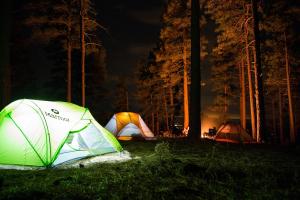
One of the most common types is the dome tent. Recognizable by its curved shape, dome tents are designed to withstand wind and rain. They are easy to set up and provide good headroom, making them a popular choice for family camping trips. With various sizes available, dome tents can accommodate small gatherings as well as larger groups.
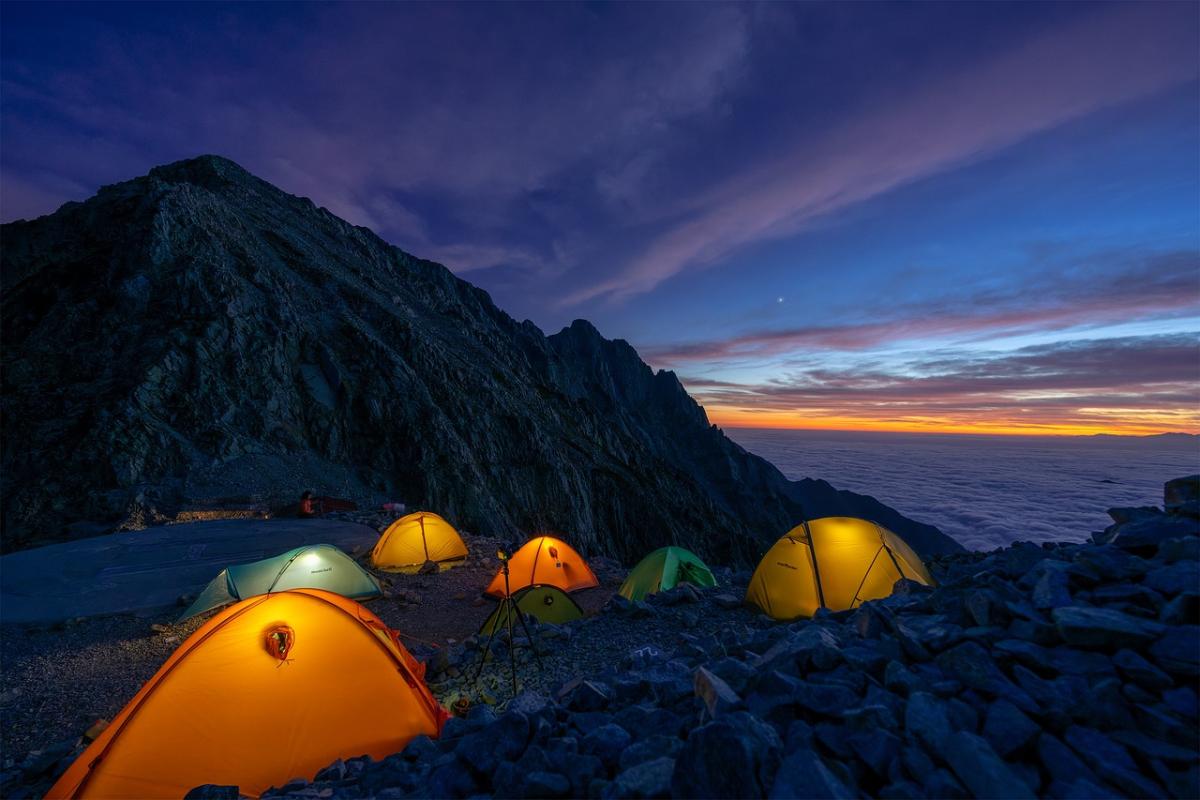
If you are looking for something lighter and more compact, consider a backpacking tent. These tents are designed for hikers and backpackers who need to minimize weight while maximizing space. Typically made of lightweight materials, backpacking tents are usually easy to pack and can be set up quickly, allowing you to hit the trail sooner.
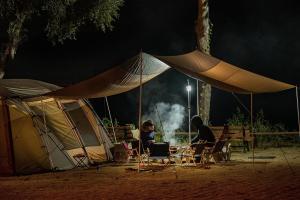
For those who enjoy a bit more luxury while camping, cabana or canvas tents are a great option. These tents offer spacious interiors and are often equipped with additional features like windows and ventilation systems. Designed for more extended stays, they provide comfort and convenience, making your camping experience feel more like home.
Key Features to Consider
When choosing the right camping tent for your trip, it's essential to consider several key features that can significantly enhance your outdoor experience. First and foremost, think about the size of the tent. Tents come in various sizes—from solo models perfect for backpackers to family-sized tents that can comfortably fit several people. Make sure to choose a tent that offers enough space for everyone, plus a little extra for gear. A tent that feels cramped can quickly dampen your camping adventure.
Another crucial feature is the tent's weight. If you plan on trekking to your campsite, a lightweight tent will make your journey much easier. Many modern tents are designed with portability in mind, using lightweight materials without compromising durability. Consider how far you'll be carrying the tent and choose one that strikes a balance between weight and sturdiness.
Weather resistance is also an important factor. Look for tents that are made of waterproof materials and feature a rainfly. A good tent will keep you dry during unexpected showers and will help regulate temperature when the weather gets chilly. Additionally, check for features such as ventilation windows, which can help minimize condensation inside the tent, ensuring a more pleasant sleeping environment.
Lastly, don’t overlook the ease of setup. Some tents are more complex than others, with many poles and parts. If you're a beginner or prefer a hassle-free experience, opt for a tent that offers quick and easy assembly. Pop-up tents or those with color-coded poles can save you time and frustration after a long day of hiking.
Tips for Selecting the Perfect Tent
Choosing the right tent is essential for a fantastic camping experience. The first thing to consider is the size of the tent. Think about how many people will be sleeping in it and whether you need extra space for gear. Generally, it’s a good idea to opt for a tent that can accommodate one or two more people than you expect, providing that extra room for comfort and storage.
Next, pay attention to the seasons and weather conditions you'll be facing. Tents are typically categorized as three-season, four-season, or summer tents. A three-season tent is versatile and can handle spring, summer, and fall weather. If you plan to camp in winter conditions, a four-season tent is your best bet, as it’s built to withstand heavy snow and strong winds. For those hot summer nights, a lightweight summer tent with excellent ventilation will keep you cool.
Another important factor to consider is the tent's setup process. Look for tents with simple, quick set-up features if you want to spend less time pitching and more time enjoying nature. Freestanding tents are often easier to assemble, while others may require staking. Read reviews and check out video tutorials to find a tent that suits your skill level and preferences.
Don’t forget to check the material and waterproofing of the tent. A good tent should be made of durable, weather-resistant fabric to keep you dry and protected from the elements. Look for tents with a higher denier rating, which signifies thicker material. Additionally, ensure that the seams are sealed to prevent water from seeping in during downpours. This attention to detail can make all the difference in your camping comfort.