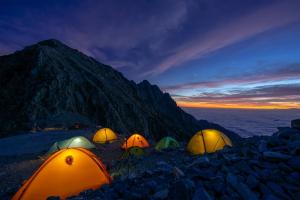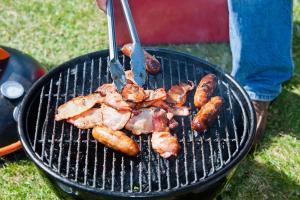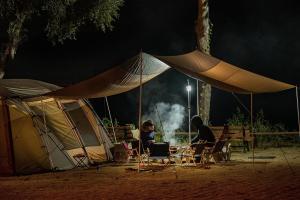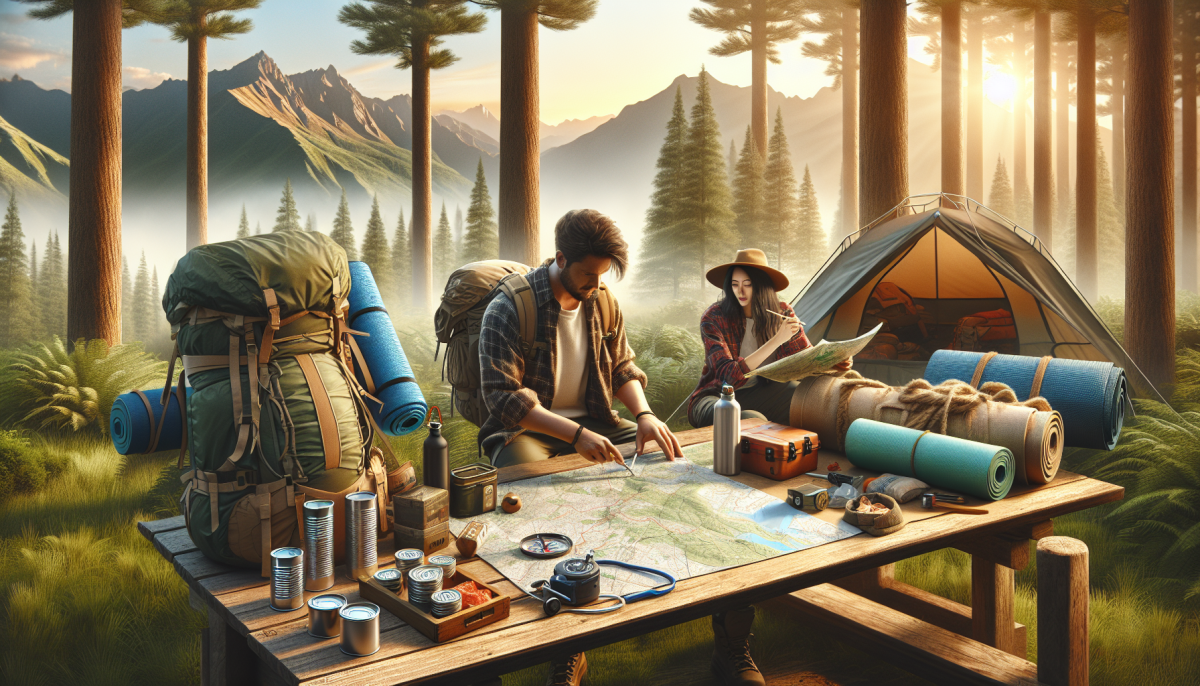
Once your checklist is ready, gather all the gear and inspect it for any wear and tear. Look for damaged tent poles, worn-out sleeping bags, or corroded cooking equipment. It’s better to address these issues before you hit the road. If you find any broken items, either repair them or replace them with reliable alternatives. Remember, being stuck without a functioning tent or cooking equipment can turn a fun trip into a difficult experience.
After you’ve ensured that everything is in good working order, practice setting up your tent and cooking meals. Familiarizing yourself with your gear can save you precious time and prevent frustration when you arrive at the campsite. It’s also a great opportunity to test out your cooking equipment and learn how to use it effectively. This hands-on approach will give you the confidence you need when you’re out in the wild.
Finally, pack your gear efficiently. Organize your items into categories, such as cooking supplies, clothing, and first aid. Using waterproof bags or containers can help protect your gear from moisture. Keep frequently used items easily accessible, so you don’t have to dig through your entire pack when you need something. A little effort in organization can lead to a more enjoyable and stress-free camping experience.
Set Up a Safe Campsite
Next, make sure to keep your campsite clean and organized. Store food in bear-proof containers or hang it in a tree, at least 100 feet away from your sleeping area. This practice helps to keep wildlife at bay and reduces the chances of an unwanted encounter with bears or other animals. Additionally, keep your personal items stored properly rather than lying around, as clutter can attract insects and small critters.
It’s also a good idea to have a designated area for cooking and eating. Set this up at least 200 feet from your sleeping area. This distance minimizes the risk of attracting wildlife to your tent, allowing you to enjoy your meals with peace of mind. If possible, use a camp stove instead of an open fire for cooking—it's safer and reduces the risk of starting a wildfire.
Lastly, be mindful of the weather and surroundings when selecting your campsite. Avoid areas prone to flash flooding, like low-lying grounds or dry river beds. Also, pay attention to the direction of the wind, as it can affect your campfire and your overall comfort. By taking the time to set up a safe campsite, you can focus on enjoying your outdoor adventure without unnecessary worry.
Build a Fire for Warmth
Building a fire is one of the essential skills you need to master for outdoor camping survival. A good fire not only provides warmth but also offers a sense of security. When the sun sets and the temperature drops, having a fire can make a huge difference in your comfort level and safety.
To start, gather your materials. You will need three types of fuel: tinder, kindling, and larger logs. Tinder can be dry leaves, grass, or small twigs that catch fire easily. Kindling consists of slightly larger sticks or branches, and finally, the larger logs will keep your fire going once it’s established. Make sure everything is dry for the best results!
When you're ready to build your fire, choose a safe spot away from tents and overhanging branches. Create a small fire ring with stones to contain your flames. Start by placing your tinder in the center and arrange the kindling in a teepee shape around it. Once you have the structure right, carefully light the tinder. As the kindling catches fire, you can gradually add larger logs to your fire, ensuring airflow to help it grow.
Keep in mind fire safety. Always have water or dirt nearby to extinguish the flames if needed. Never leave your fire unattended, and when it’s time to put it out, make sure all embers are completely extinguished. A well-built fire can make your camping experience enjoyable and warm, serving as a cozy gathering spot for storytelling and bonding with fellow campers.
Stay Hydrated and Nourished
When you’re out in the great outdoors, staying hydrated and nourished is crucial for maintaining your energy and health. Water is your best friend while camping. Always carry enough to last you throughout your trip. A good rule of thumb is to drink at least two liters of water per day. If you plan to hike or engage in other strenuous activities, increase your water intake. Remember, dehydration can sneak up on you, so drink regularly even if you don’t feel thirsty.
Besides water, having nutritious snacks on hand can make a world of difference. Easy-to-carry foods such as nuts, dried fruits, and granola bars are excellent choices. These snacks provide quick energy and are lightweight, making them perfect for outdoor excursions. If you’re cooking at your campsite, plan meals that are rich in carbohydrates, protein, and healthy fats to keep your energy levels up.
Lastly, if you find yourself in an area where clean water is limited, always have a plan for water purification. Carry a portable filter or purification tablets to ensure your drinking water is safe. In addition, consider bringing a reliable cooking stove to prepare hot meals, which can also help warm you up during chilly nights.