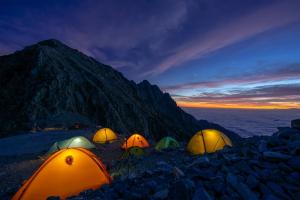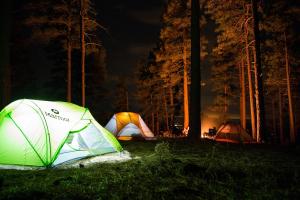
When you set out on your camping adventure, packing smart can make all the difference. The right gear not only enhances your experience but also ensures your safety and comfort in the great outdoors. Start with a checklist to help you remember the essentials. This way, you won't forget important items, like your tent, sleeping bag, and cooking supplies.
Clothing is another crucial aspect of your packing list. Always consider the weather conditions and choose layers that you can easily add or remove. Quick-drying fabrics and moisture-wicking materials will keep you comfortable, especially during unexpected rain or chilly nights. Don't forget a good pair of hiking boots! They provide support and keep your feet dry during long treks.
Food is a key component of any camping trip. Plan your meals ahead of time and pack only what you need. Opt for lightweight, non-perishable foods like nuts, dried fruits, and energy bars. If you plan to cook, consider portable cookware that is easy to pack and clean. Remember to bring plenty of water and a purification method, ensuring you stay hydrated throughout your adventure.
Lastly, consider tools and safety gear. A multi-tool is invaluable for a range of tasks, from preparing food to setting up your tent. First aid kits, flashlights, and extra batteries should never be overlooked. By thinking ahead and packing mindfully, you can focus on enjoying your adventure and exploring the beauty of nature.
Choosing the Perfect Campsite
Next, accessibility is key. Make sure your chosen site is reachable by car or hiking trail, depending on your mode of travel. Check the terrain too—if you're hiking in, you want to avoid steep climbs and tricky paths that could tire you out before you've even set up camp. Also, consider the distance to water sources. Being close to a creek or lake can make cooking, cleaning, and staying hydrated much easier.
Another important factor is safety. Look for a spot that's away from potential hazards, like falling branches or flash flood zones. Check for animal activity in the area—wildlife encounters can be thrilling, but you want to ensure safety first. Additionally, pay attention to the weather. A campsite that offers natural windbreaks, like trees or hills, can help shield you from harsh winds or sudden storms.
Finally, consider the level of privacy and noise you prefer. Some campgrounds are bustling with activity, while others offer solitude. If you value peace and quiet, try to find a less popular site, or look for spots that are farther from main trails. Ultimately, your perfect campsite will cater to your needs, enhance your adventure, and create lasting memories in the great outdoors.
Cooking Basics for Campers
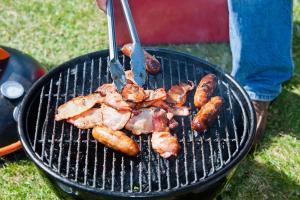
When you're camping, cooking can be an enjoyable part of the adventure! With a little preparation and the right tools, you can whip up delicious meals no matter where you are. Start by planning your meals ahead of time. This not only helps you avoid overpacking but also makes shopping for ingredients easier. Think about meals that are simple to prepare and can be cooked in one pot or pan. Dishes like chili, pasta, and stir-fries work well, as they require minimal cleanup and cooking time.
Good camping cooking relies on a few essential tools. A portable stove or a campfire setup can serve as your main cooking source. Don't forget to pack cookware like a skillet or pot, and a sturdy spatula or spoon. A cooler can help keep perishables fresh, so consider bringing one along if you're planning on serving meats and dairy. Remember to include basic utensils, plates, and cups to make mealtime more enjoyable.
Another tip for cooking while camping is to prep your ingredients at home. Chopping vegetables, marinating meats, or even prepping dry ingredients in labeled bags can save time and hassle at the campsite. Create a checklist of all the items you'll need, so you don't forget anything. Also, consider using lightweight, compact food storage solutions to minimize space. This way, you can focus on the fun of camping instead of the stress of cooking!
Finally, don’t forget to pack some snacks for when hunger strikes during your outdoor adventures. Trail mix, granola bars, and jerky are great options for quick energy on the go. Whatever you choose, make sure you stay hydrated! Bring plenty of water bottles or a filtration system to keep your hydration levels up while you enjoy your camping cooking experience.
Staying Safe in the Wild
When venturing into the great outdoors, safety should always be your top priority. Wild environments can be unpredictable, so being prepared is key. First and foremost, always let someone know your plans. Share your itinerary and expected return time with a friend or family member. This way, if anything goes wrong, someone will know to look for you.
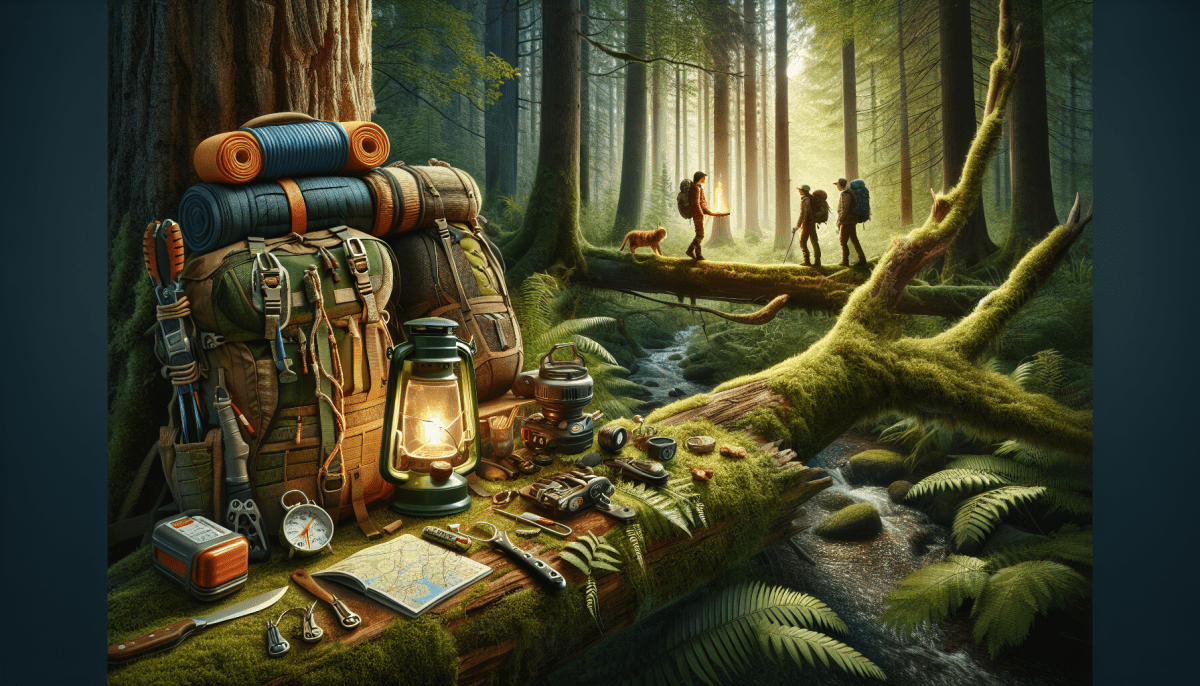
Equipping yourself with the right gear is another crucial step in staying safe. Make sure to bring a well-stocked first aid kit, a map, and a reliable compass or GPS device. A multi-tool can also come in handy for various tasks. It's essential to dress in layers, as weather conditions can change quickly in the wilderness. Choose sturdy, durable footwear to protect your feet during hikes.
Wildlife encounters are a common concern for campers. Respect the animals’ habitats by keeping a safe distance and never feeding them. Store your food securely in bear-proof containers or hung up at least 10 feet off the ground and 4 feet away from tree trunks. Always be alert and educated about the wildlife in the area, including what to do if you encounter a bear or snake.
Lastly, familiarize yourself with basic survival skills. Knowing how to start a fire, purify water, and build a shelter can make a significant difference if you find yourself in an emergency situation. Take the time to practice these skills before your trip so you feel confident when it matters most. With the right preparation and awareness, you can enjoy the beauty of nature while keeping yourself safe.